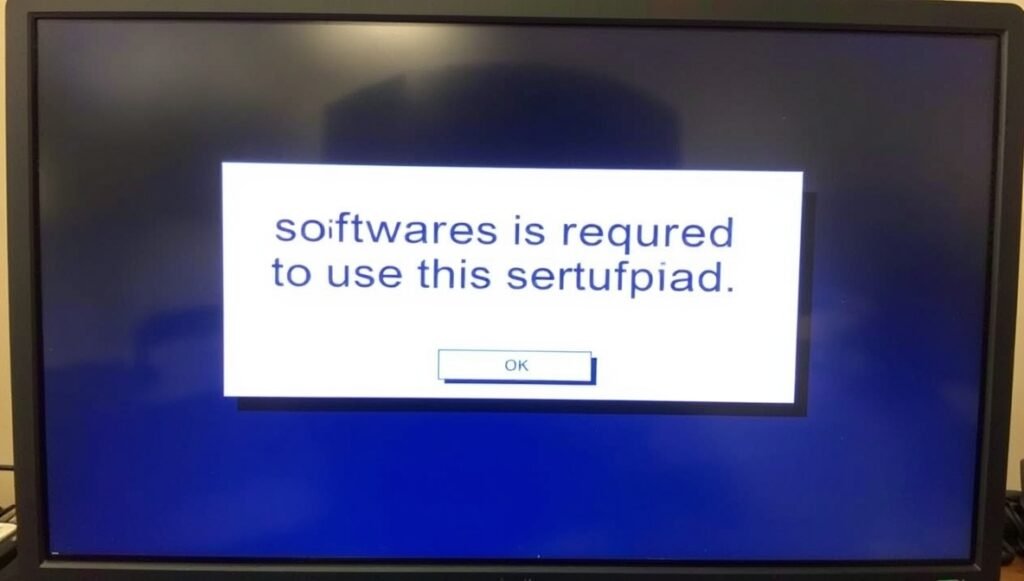
In the modern digital era, computers have evolved into highly integrated systems where hardware, firmware, and operating systems work together in carefully balanced ways. Users often expect their machines to start instantly and function without friction, yet behind that simplicity lies a complex set of dependencies. One of the most confusing moments for many users is encountering the message a software update is required to use this startup disk. This statement can appear suddenly, interrupting workflows and raising concerns about data safety, system stability, and technical competence.
This article explores the deeper meaning behind such system messages, the architectural reasons they occur, and how they reflect broader trends in computing. By understanding the logic behind startup disk compatibility, users can approach these issues with clarity rather than frustration. The discussion will also place these challenges within a global context, referencing practices common in the United States and beyond, while maintaining a practical, user-focused perspective. why is a quality assurance tester needed on a software development team?
The Concept of a Startup Disk
A startup disk is the storage device from which a computer loads its operating system during boot. Traditionally, this was a mechanical hard drive, but modern systems rely on solid-state storage for speed and reliability. The startup disk contains not only system files but also essential configuration data that allows the firmware to communicate effectively with the operating system.
As operating systems grow more secure and feature-rich, they increasingly depend on precise firmware support. This interdependence means that even if a disk contains valid system files, it may not be immediately usable unless the surrounding software environment meets certain criteria. When users see a message like a software update is required to use this startup disk, it usually indicates a mismatch between these components rather than a failure of the disk itself.
Evolution of Firmware and Operating Systems
In earlier generations of computers, firmware played a limited role. Basic Input/Output Systems were static and rarely updated. Modern machines, however, rely on advanced firmware that manages power, security, and hardware initialization. This firmware must align with the operating system’s expectations.
Operating systems now assume the presence of certain security features, encryption standards, and hardware instructions. If the firmware is outdated, the system may refuse to boot from a disk that was prepared under newer assumptions. This evolution explains why a software update is required to use this startup disk has become a more common message in recent years.
Security as a Driving Force
Security concerns are a major reason behind strict startup disk requirements. Modern systems prioritize protection against unauthorized access, malware, and firmware-level attacks. Secure boot processes verify the integrity of system files before allowing the operating system to load.
If the startup disk was created or last updated with security features not supported by the current firmware, the system will halt the boot process. In such cases, a software update is required to use this startup disk serves as a safeguard rather than an inconvenience. It ensures that the system environment meets minimum security standards before granting access to data and resources.
Compatibility Across Hardware Generations
Hardware innovation moves quickly, and manufacturers regularly introduce new architectures. These changes can affect how startup disks are recognized and validated. A disk prepared on a newer machine may rely on features absent in older hardware.
This scenario is common in environments where users migrate disks between machines or restore backups to different systems. When compatibility issues arise, the system may display a software update is required to use this startup disk to indicate that the underlying software stack must be modernized to match the disk’s requirements.
The Role of System Updates
System updates are not merely cosmetic or performance-focused. They often include critical firmware updates, driver improvements, and compatibility layers. Applying these updates ensures that the system can recognize and interact with newer storage formats, file systems, and security protocols.
Ignoring updates can therefore lead to boot issues even if the hardware appears functional. Over time, the gap between disk requirements and system capabilities widens, eventually triggering messages such as a software update is required to use this startup disk. Regular maintenance helps prevent this gap from becoming disruptive.
User Experience and Communication
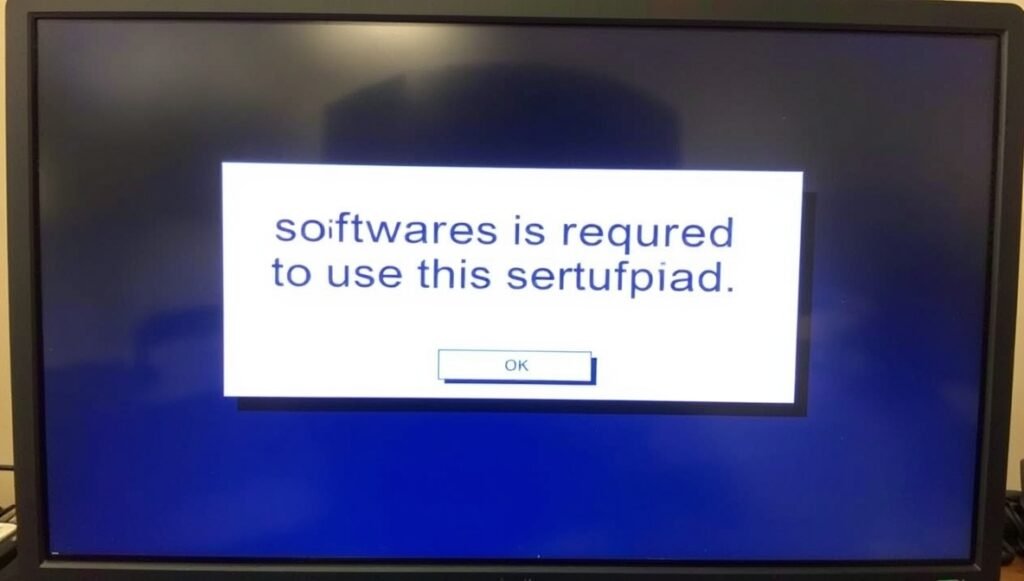
From a user perspective, system messages should be clear and actionable. Unfortunately, technical phrasing can sometimes feel opaque. The phrase a software update is required to use this startup disk does not always explain which component needs updating or why.
Improving user education around these messages is essential. When users understand that such warnings are protective measures rather than errors, they are more likely to respond calmly and effectively. Clear documentation and guided update processes can significantly reduce anxiety and confusion.
Data Integrity and Preservation
One of the biggest fears when encountering startup disk issues is data loss. It is important to note that messages indicating required updates rarely imply damaged data. Instead, they signal a compatibility checkpoint.
By updating the necessary software components, users typically regain access to their existing data without modification. Recognizing that a software update is required to use this startup disk is a reversible state can help users avoid unnecessary panic and risky interventions.
Professional and Enterprise Environments
In enterprise settings, startup disk compatibility is managed through standardized update policies. IT departments ensure that firmware and operating systems are aligned across fleets of machines. This approach minimizes downtime and prevents unexpected boot issues.
When individual users encounter a software update is required to use this startup disk in such environments, it often indicates that a system has fallen out of compliance with organizational standards. Centralized management tools make resolving these discrepancies more efficient and predictable.
Global Perspectives on System Maintenance
Practices around system updates and maintenance vary globally, but the underlying technical principles remain consistent. In regions with strong digital infrastructure, such as the United States, users are accustomed to frequent updates and automated maintenance routines.
In other areas, limited connectivity may delay updates, increasing the likelihood of encountering startup compatibility issues. Understanding these contextual factors helps explain why some users face such messages more often than others, even when using similar hardware.
The Psychological Impact of System Errors
Beyond technical implications, startup errors can affect user confidence. Repeated exposure to warnings without clear explanations may lead users to distrust their devices or avoid updates altogether.
Reframing messages like a software update is required to use this startup disk as informative guidance rather than failure notices can improve user trust. When users feel supported rather than blamed, they are more likely to engage proactively with system maintenance.
Future Trends in Startup Management
As computing continues to evolve, startup processes are likely to become even more integrated with cloud services and remote verification systems. This trend may further increase the importance of synchronized updates across devices.
Future systems might automatically resolve compatibility issues in the background, reducing the need for user intervention. Until then, understanding why a software update is required to use this startup disk appears remains an essential part of digital literacy.
Practical Steps for Users
When faced with startup disk warnings, users should adopt a measured approach. Verifying backup status, following official update procedures, and avoiding unofficial fixes are key principles.
Patience is also important. System updates may take time, but they are designed to preserve data and restore functionality. Recognizing that a software update is required to use this startup disk is part of a controlled process can help users navigate the situation confidently.
Education and Digital Literacy
As technology becomes more central to daily life, digital literacy must extend beyond basic usage. Understanding system messages, update cycles, and compatibility requirements empowers users to make informed decisions.
Educational initiatives that explain why a software update is required to use this startup disk occurs can reduce frustration and improve overall technology adoption. Knowledge transforms obstacles into manageable tasks.
Conclusion
Startup disk compatibility issues are a reflection of modern computing’s complexity rather than a sign of failure. Messages indicating required updates highlight the intricate relationship between hardware, firmware, and operating systems. By appreciating this relationship, users can respond to such warnings with understanding rather than alarm.
Ultimately, a software update is required to use this startup disk serves as a reminder that technology is dynamic. Staying current, informed, and patient ensures that systems remain secure, functional, and aligned with the evolving digital landscape.