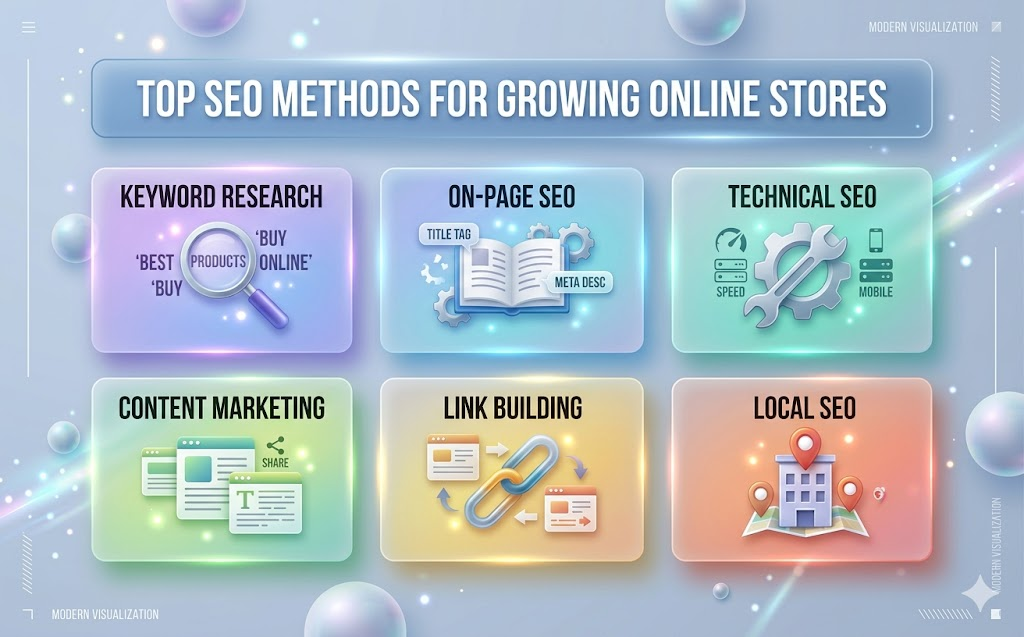
In the increasingly sophisticated digital marketplace of 2026, the strategy for scaling an online store has shifted dramatically from basic keyword implementation to a holistic focus on algorithmic relevance and seamless user experiences. For e-commerce entrepreneurs, organic search traffic remains the most profitable and sustainable growth channel, yet it is also the most competitive. As major search engines leverage artificial intelligence to curate product discovery, static optimization tactics are no longer sufficient to secure top-tier rankings. Success today requires a multi-layered approach that integrates advanced technical performance, data-backed content architecture, and predictive user behavior analysis.
The digital store of the future must function not only as a retail destination but as an authoritative, trusted hub for its specific niche. By aligning your store’s architecture with the complex requirements of search algorithms while simultaneously solving real-world consumer problems, you create a powerful cycle of organic growth. This guide explores the essential, high-impact methodologies that thriving e-commerce brands are utilizing to dominate their search landscapes, effectively transforming casual browser interest into long-term, loyal customer relationships and consistent, scalable revenue streams in an era of unprecedented online retail saturation.
Mastering Technical SEO and Crawl Efficiency for E-Commerce
For online stores carrying thousands of products, technical health is the absolute bedrock of search engine visibility. Many large-scale shops struggle with “crawl budget” waste, where search bots get stuck indexing duplicate product pages, empty category filters, or irrelevant checkout session URLs instead of your high-value inventory. To rectify these infrastructure barriers and maximize your indexing potential, collaborating with professional digital agencies like Click Typhoon provides the specialized technical audits and architecture restructuring necessary for rapid growth.
Advanced technical optimization involves implementing robust schema markup to display real-time product pricing and stock availability directly in search results, which drastically boosts click-through rates. Additionally, optimizing faceted navigation through canonicalization ensures your primary product pages receive the full weight of your site’s domain authority. This technical rigor ensures that your inventory is always discoverable, preventing the most common indexing errors that keep potentially profitable products invisible to your target audience.
Executing Intent-Based Keyword Research at Scale
Modern e-commerce growth relies on matching your product pages to the specific, evolving intent of shoppers at every stage of their purchasing journey. Broad, single-word keywords are now saturated by marketplace giants, making them largely ineffective for independent growth. Instead, thriving stores focus on long-tail, intent-driven phrases that mirror the conversational nature of modern voice and mobile searches. By grouping your keywords into “topic clusters”—where a core pillar page covering a broad category supports a network of specific, long-tail product or problem-solving pages—you demonstrate deep subject matter expertise to search engines.
This intent-based architecture allows you to capture traffic from individuals researching solutions (“best natural skincare for dry skin”) before moving them into your transactional funnels (“buy organic moisturizing serum”). Mapping keywords to intent ensures your site fulfills the searcher’s needs exactly, which significantly improves dwell time, reduces bounce rates, and signals high-quality relevance to ranking algorithms.
Building Authoritative Content Hubs That Convert
In a market saturated with identical product options, authority is your most valuable differentiator. Search engines now heavily favor e-commerce platforms that offer more than just a checkout button; they reward sites that serve as comprehensive, trustworthy resources for their niche. By developing high-quality blog content, detailed buying guides, and expert comparison charts, you create “content hubs” that satisfy the informational phase of the shopper’s journey.
This is not just for traffic; it builds the trust necessary to earn backlinks from other reputable sites, which is a major factor in domain authority. For example, a store selling sustainable home goods should produce long-form content on the benefits of different eco-materials, which attracts readers who become loyal followers. When these readers eventually move to purchase, they will inherently prefer your brand because you have provided the value and transparency that builds long-term, defensible competitive advantage.
Prioritizing Conversion-Focused User Experience (UX)
The relationship between user experience and search engine ranking has never been closer. Algorithms now analyze “Core Web Vitals”—metrics that measure visual loading stability, interactivity, and page speed—as primary indicators of site quality. If a shopper lands on your store from a search result only to encounter a layout that shifts unexpectedly or a slow-loading product image, they will likely abandon the page immediately. High bounce rates tell search engines that your site is not a useful destination, which leads to inevitable ranking drops.
To maximize traffic and conversions, your store must prioritize a frictionless mobile experience, high-resolution imagery with lightweight code, and an intuitive “one-click” style checkout flow. When your design makes purchasing easy, shoppers stay longer and interact more, creating positive behavioral signals that push your store higher in the rankings, effectively turning your UX into your most effective SEO tool.
Final Thoughts
Growing an online store in 2026 demands a shift from short-term optimization hacks to a long-term strategy built on authority, technical health, and user-centric design. By mastering the technical foundations of your inventory, creating value-driven content that builds trust, and ensuring that every pixel of your site is optimized for the user, you create a powerful, self-sustaining organic acquisition engine. While the digital landscape will continue to evolve, these foundational practices remain the most reliable path to achieving and maintaining market dominance. Invest in the quality of your site, respect the intelligence of your target audience, and remain disciplined in your analytical approach.
As you consistently apply these methods, you will find that your organic traffic becomes a predictable, compounding asset that secures your store’s growth, protects your revenue from the volatility of paid ad markets, and establishes your brand as an industry leader.
Frequently Asked Questions
1. How long does it typically take for e-commerce SEO efforts to show results?
SEO is a compounding, long-term process. While technical fixes can yield immediate improvements in indexing, you can generally expect to see significant growth in organic traffic and revenue within four to six months of consistent optimization.
2. What is the most common SEO mistake for large online stores?
The most common mistake is failing to manage crawl budgets. If you allow search bots to spend their limited time on thousands of low-value, duplicate, or parameter-heavy pages, your primary product pages will never receive the attention they need to rank.
3. Why is schema markup so important for e-commerce growth?
Schema markup acts as a translator between your site and search engines. By providing structured data, you allow search engines to display “rich snippets,” such as prices, reviews, and stock status, directly in search results, which significantly boosts click-through rates.
4. Can blogging actually lead to higher conversion rates for retail?
Yes. By addressing the informational needs of shoppers before they are ready to buy, you build brand trust. When these users finally enter their purchase phase, they are far more likely to buy from a brand that provided them with free, helpful, and expert advice.
5. How do Core Web Vitals influence my store’s search rankings?
Google uses Core Web Vitals to assess how “usable” your site is. If your pages are slow or unstable, Google perceives this as a poor user experience and will prioritize faster, more stable competitors in the search rankings.